To summarize: Requiring installation by electricians means that people will still DIY… They just won’t bother to get a permit/get it inspected.
Whereas allowing DIY encourages permits and inspection.
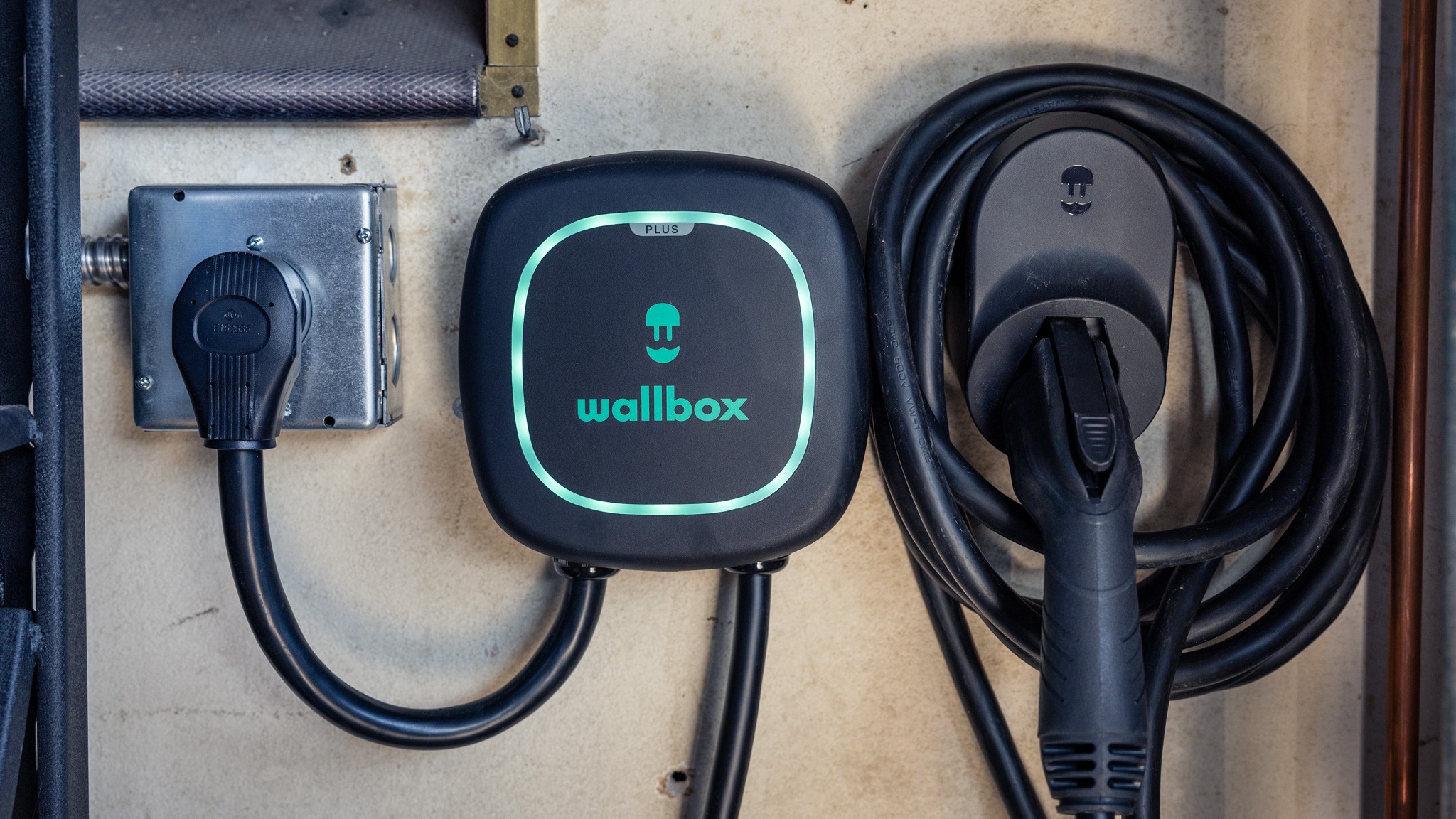
On one hand, it bothers me how inaccessible clear guidance on electric work is. There are so few open resources, and online questions seem to devolve into electricians gatekeeping information to protect the trade. On the other hand, browsing ev charging forums reveals one melted socket after another (not necessarily the result of DIY). The average person can be pretty flippant about the various ways these installations can go up in flames.
On the other hand, browsing ev charging forums reveals one melted socket after another
Often this is due to using portable chargers that someone is frequently plugging/unplugging in a socket designed for appliances that stay plugged in. You can’t cheap out on the 14-50 socket and sadly people often do
A recent Technology Connections video mentioned people are configuring chargers to 48 A when they’re using 14-50 “50 A” sockets that are really designed for 40 A continuous current. Or they’re using aluminum wiring without corrosion protection, or not abrading the oxide layer.
Oh for sure that too. Also that was a great video.
From what I’ve read, repeated plugging/unplugging is not the most likely failure mode. Definitely some issues with cheap sockets though that aren’t realistically capable of carrying the continuous load.
If you are curious, the national electric code is freely available on the website, albeit in a slow and page by page online viewer. Equipment manufacturers will also often give installation manuals that can be reviewed and combined with the NEC for a decent understanding.
Ugly’s and other companies do pretty affordable handbooks or small books that summarize electrical info/calculations, or wiring methods from the code.
But overall, national code standards are written in blood, and the NEC is made through the NFPA, National Fire Protection Agency. Their intentions are to prevent fires, and that guiding principle leads to code changes.
Eh what blood got AFCIs in there? Green blood from Siemens and Eaton as far as I can tell