- 24 Posts
- 13 Comments



 1·3 years ago
Posted this below, but the fine is from an unrelated, earlier incident in Alabama. From what I found on jalopnik:
Earlier this year, a worker was killed by being sucked into an airplane engine in Alabama on New Year’s Eve. The employee in that scenario was warned several times that the plane’s engines would be on, however. Still, OSHA hit the small airline Piedmont with a fine of $15,625 in the workers death.
This incident with Delta that happened in Texas is under investigation. I would be surprised if no safety procedures were violated in this incident. Well-written safety procedures that are followed should make this almost impossible to happen.
 1·3 years ago
That is true. Vertex claims that some of the follow-up therapies to this do not require immunosuppressants, so time will tell.
From a strategic perspective, I wonder if they will proceed with Phase 3 or not. I have worked on several programs in the past where we pushed through to Phase 2 to get a proof of concept in humans before scrapping the program because we have a better version of the molecule (using the same mechanism of action) getting ready right behind it. This therapy from Vertex may have proven the concept to allow a better version to come next.
 1·3 years ago
This might not quite be what you are looking for, but my favorite piece of writing that is science-adjacent is Surely You’re Joking, Mr. Feynman!.
As for current stuff, I work in pharma development, so there aren’t great sources out there. A lot of the studies that are published in places like phys.org or medicalxpress.com (or other wire-like services) pertain to very early stage drug discovery things, not formulation and device development. I tend to keep a tab open to fiercepharma and fiercebiotech for industry news. Other than that, there are a handful of academics that tend to share papers on linkedin or twitter that usually get passed around in the office if people find it interesting.

It hopefully should. One of the main reasons biologics are so expensive isn’t just corporate greed (though it is that too), but because the manufacturing process is very intense. Running bioreactors at commercial scale to make your product, using a train of chromatography steps to purify it, and then filtering it to be concentrated and sterile before fill/finish in a pre-filled syringe or vial followed sometimes by lyophilization is an insanely complicated process that is very costly. mRNA processes simplify this a lot in that the mRNA don’t need to be manufactured using bioreactors that are filled with dirty cellular flotsam and jetsam that need removed. So, the production and purification parts are much much simpler. It still isn’t likely to be cheap, as GMP manufacturing is still complex and the fill/finish part of the operations are largely unchanged, but hopefully cheaper.



I work in this field and this is a great summary of mRNA and its therapeutic usage. The article does mention it, but mRNA is going to be widely used beyond vaccines as well.
As an example, at a previous company I worked at that had a robust pipeline and a portfolio of antibodies on the market, they were actively developing an mRNA-LNP version of all of their mAb programs. The idea is that if you develop an LNP platform that can reproducibly transfect say, the liver, then you can just turn the liver into a protein factory for anything you provide the mRNA sequence for. Having mAbs produced and excreted in the body solves one of the big challenges to convenient biologics dosing, bioavailability. Basically, a lot of antibodies, when injected under the skin, have trouble making it from the injection site to your bloodstream. This can be solved by administering via IV, but that has many downsides when it comes to patient convenience.
The reason vaccines are the first successful application of this technology is because they only require very small doses to be effective. Compare the amount of protein that is in a flu shot (60 micrograms in Fluzone at most) to a typical mAb (~150 mg up to 1 g at most), you can see how much less the vaccine requires. I fully expect that as the upstream and downstream processes for LNP manufacture improve and are able to scale, that we will see mRNA take over what is currently the realm of biologics.

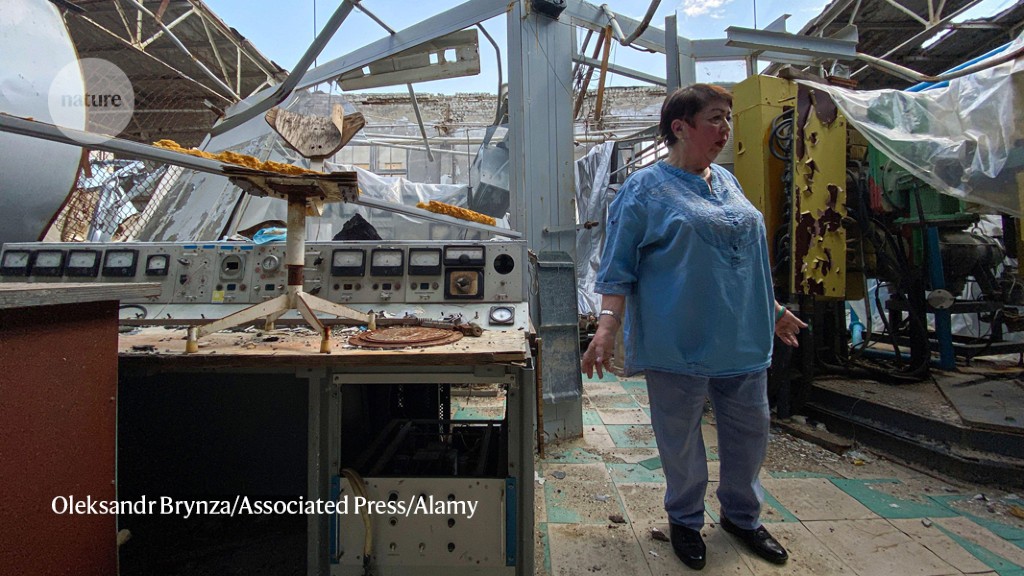




Great article summarizing the BBB. The brain is one of the highest priority targets for biologics therapeutics (viral & non-viral gene therapies, antibodies, peptides, etc.) and one of the most difficult to access via traditional routes of administration (IV, subcutaneous). I have worked on programs in the past that tried to access the brain via other administration methods (intrathecal, intraparenchymal), but both of these are quite invasive and lead to adverse events purely from the procedure. Engineering ways to cross the BBB would open up a huge number of potential therapeutic options for neurological disorders.
One of the other high priority targets that is difficult to access is the eye/retina. It has a similar set of biological barriers that prevent access to sensitive areas that are medically desired. If you want more reading on the eye, see this paper.


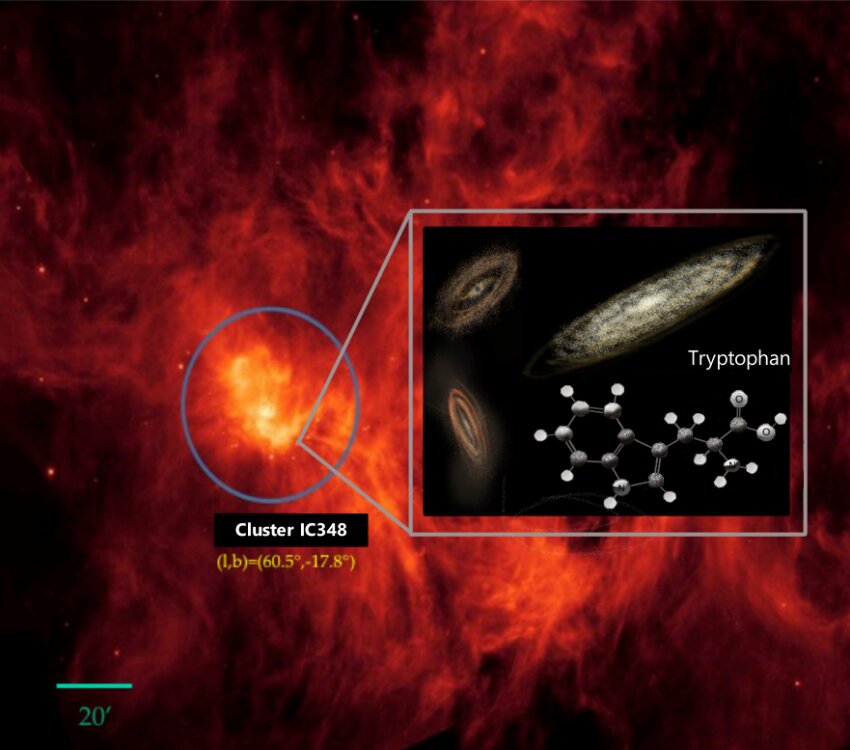
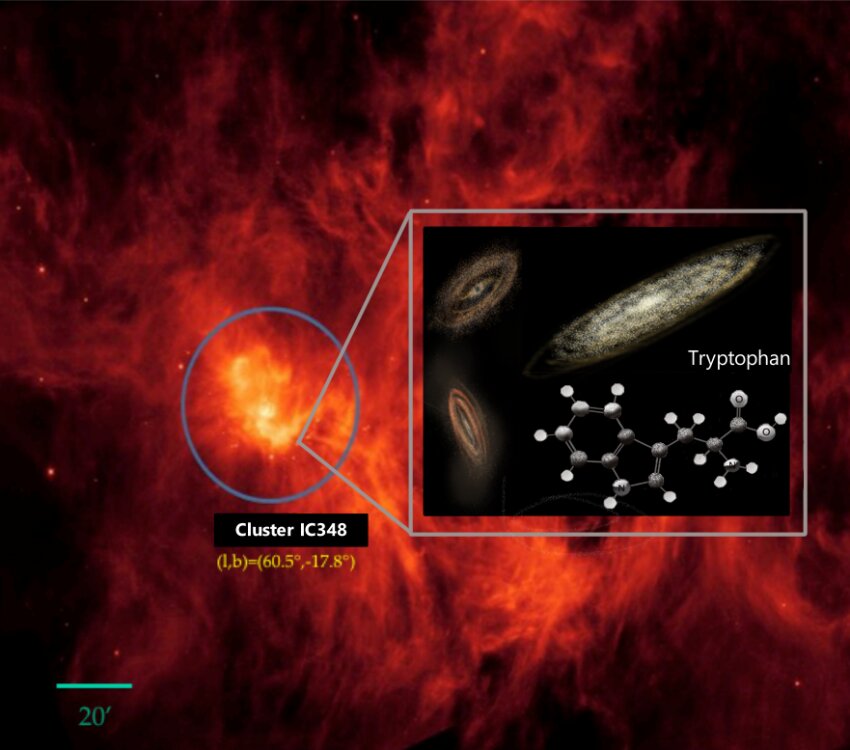
I think that fMRI is just beginning to realize its potential. It is such a powerful technique to image the brain, that as we improve the technique and can see more, we will learn more. I like to make the analogy that modern imaging techniques (MRI, microscopy, PET, etc.) have done at least as much to expand human knowledge as the more widely known (within the general public) telescopes (Hubble, JWST, etc.).
One thing that I like about this approach is that it is looking at the brain as a complex system rather than trying to ID and characterize individual neurons. From the article:
Neuroscience has traditionally focused on interactions between neurons to understand brain function. There is a growing area of science looking at larger processes within the brain to help us understand its mysteries.
This reminds me of my statistical mechanics course when I was in grad school. You can study individual particles all you want, but when you get a large number of them, things change. One oxygen molecule behaves differently than a room full of air just like a single neuron behaves differently than a head filled with a brain. The path of neuroscience is following a similar trajectory physics did in that it could make sense of things at the individual scale, but working with large numbers of interactions is harder and requires more complex experiments/theories/models to deal with.
In my professional life, I have worked on a number of clinical phase therapeutics and authored sections of regulatory filings submitted to agencies like the FDA and EMA. Several of those assets were classified as orphan drugs and were granted accelerated approval. I think that the accelerated approval process fulfills a role that is needed in cases where there is an unmet medical need. Additionally, some indications lend themselves to proven proxy measures for efficacy that give a high level of confidence in clinical use. However, the accelerated approval process as it is currently used is prone to abuse in that the FDA is not able or willing (not sure which) to enforce post-approval actions on drugmakers in a timely fashion.
The author’s example of Makena shows that over a decade can pass without showing medical efficacy in follow-up trials before marketing authorization is pulled. The author doesn’t go into detail, merely linked to it, but the conditional approval granted by the EMA is much more fit for purpose. Under that process, the conditional approval is just granted for one year and must be renewed each year. I have not worked on this renewal process personally, but from experience interacting with the agencies before, they would be looking for material progress towards meeting any stated post-approval obligations. This process gives the EMA an annual chance to pull a product if there is ambiguous or no demonstrated clinical effect or if the adverse events are more severe or common than anticipated.
As an aside, I found it interesting that the impending Leqembi (lecanemab) accelerated approval is what inspired this article. Leqembi’s predecessor, Aduhelm (aducanumab), was granted accelerated approval, but was so poorly received by the market/hcp’s/insurance companies, that it might as well have not been approved at all.

This pretty much lines up with my take as well. Educating borrowers via the first three bills on true costs, expected earnings, and repayment options is fine, but is mostly done already. I don’t see how mandating a form that needs to be signed saying that you understand the debt you are taking on is going to change that.
The fourth bill is pretty blatantly ideologically motivated. If they truly think that these programs are worth less, then a better solution might be something like tying the cost of tuition for different majors to the expected earnings potential rather than eliminating aid eligibility.
The fifth bill would have a dramatic impact on graduate students. I am lucky enough that I did my PhD back when a graduate student stipend could (just barely) cover living expenses. However, graduate student pay has not kept up with cost of living, and grad students often take out the PLUS loans to help bridge the gap. Eliminating these would essentially price out a lot of grad students in HCOL areas that don’t have family wealth to draw from. Alternatively (and preferentially), it could motivate schools to actually pay a living wage to grad students. However, the most likely outcome is that schools would just bring in more wealthy international students to fill the enrollment gap.
I also remain sceptical. I don’t think there necessarily must be some mechanism to break the symmetry, it could have just been a cosmic coin flip. This is different than something like matter/antimatter in which there needs to be some underlying physical process introducing a bias.
Great insight into the clinical process of Alzheimers care. I have worked on Amyloid programs before (early stage pharma R&D), and was wondering if there are significant clinical differences between lecanemab and aducanumab that makes you think this approval will have a less problematic trajectory? From my perspective, they are both mAbs targeting the same thing, but the discussion around lecanemab is different than it was for aducanumab, but perhaps that was primarily due to the non-standard phase 3 process of adu.
I have my PhD in physics with a background in material science and primarily work in Pharma developing early stage biologics programs (antibodies, gene therapies, etc). That means basically any of the molecules I have worked on are maybe 5+ years away from reaching the market. I don’t meet many other physicists in this field, instead it is primarily chemical engineers and biochemists. Even working in industry, I still have the chance to publish and attend conferences though.
Yeah, even comments here haven’t seemed to read the article. As somebody that used to install BOINC on all my machines back in the day, the reason I stopped is that many of the projects I ran (SETI being one) aren’t active any longer. Also, like the article mentioned, I just don’t have a desktop anymore and I am not about to run something like this on a laptop that doesn’t have things like user-serviceable or replaceable parts.