
- 13 Posts
- 53 Comments
There is room for a lot of good faith debate here, but FWIW I reckon It is a mistake for the left to prematurely roll over and telegraph an inevitable Biden vote (whether on this or any other issue) just because Trump would be worse. The time for that utilitarian calculus is much closer to November. Right now, if you want policy change — you have to raise hell.
As much as you love to hate ‘em, this is what the Tea Party and their ideological successors got right about wielding power within their own party. When the time comes, by all means circle the wagons and vote pragmatically, but during primary season you have to come across as a credible threat to the party power structure.
I’ll personally be willing to (attempt!) to shame my progressive friends into voting blue, say, around October. In the meantime, I am proud of folks for speaking their mind and standing up for human rights.

 21·3 years ago
They know exactly what they are doing.
Add the Carroll verdict and we are North of $440 million in about 3 weeks.
Edit: Also need to calculate statutory interest on top of this. Appeal bond is going to be brutal.
Our distinguished House Speaker voted against expulsion.
This is frightening stuff. I feel like it should be at the top of every newscast, every conversation, but somehow we seem to be sleepwalking into the end of democracy. A “nah, can’t happen here” attitude, coupled with Trump fatigue, social media distractions, struggling to make ends meet, and good old fashioned apathy, are going to get people killed.
Too early to tell for sure, but Georgia is starting to look grim for Trump, Inc. The state RICO statute by its nature lends itself to rolling up these “wink, wink, nudge, nudge” type conspiracies that are hard to prove individually but taken together show a coordinated pattern of conduct. With every co-conspirator who rolls over and takes a plea deal in return for testimony, it gets easier to prove, and more worrisome for those left.
Open question is whether the Fulton County DA can prove the requisite RICO predicate acts. I think they are trying to pin them on false statements and an unlawful attempt to influence an official, as well as the county election office interference, but it would be interesting to see a dispassionate analysis that evaluates the likelihood of success with those allegations.
Also unclear is what impact Meadows’ testimony in the Federal case will have, if any, on the Georgia proceedings.

deleted by creator
Viewers get a throw-away line about Big Three’s “record profits” but no sense of what those profits have been: Ford, General Motors and Stellantis made a combined $21 billion in profits in just the first six months of this year. According to the UAW, they’ve earned a quarter trillion dollars in profit since 2013.
This right here. There is a staggering lack of understanding about just how money is circulated in the economy. The assumption is that if you let billionaires and corporations concentrate capital it will be good for the rest of us because they will create jobs. That is true at the margin when capital is at a premium, but in an era easy money, investment isn’t the problem. You can also rest assured that without unions corporations will cut every job they can to boost the bottom line.
Conversely, there is this puritanical sense among some that if you pay workers more, then they will get lazy … or something … and that is bad for the economy. This is bullshit. Billionaires hoard capital. Workers, because they have to, spend their paychecks (lower marginal propensity to save) and keep money circulating. Paying people decently is good for the economy.
I am deeply suspicious of of overly simplistic answers to complex human questions, but I swear that 90% of modern U.S conservative policy can be explained either by grift or fear of the other.
Nah, I would probably get canned. Thanks for the kind word, though!
Here is a perspective from within the belly of the beast in case it is interesting to someone: state legislatures starving higher ed for funding is a story that goes back over 30 years. It is responsible to a significant degree for the tuition hikes that have made a college education too costly for many students. In effect, this funding cut and resulting tuition hike has shifted costs of an educated workforce from wealthy taxpayers to young people. https://www.nea.org/nea-today/all-news-articles/state-funding-higher-education-still-lagging
Administrative bloat is also a problem, and falls into a couple of categories. You have the university presidents and coaches, on one hand, where the appointments are themselves a political plum in some states and game day is an excuse for rich alumni to drive $300,000 RVs to sit in corporate skyboxes. (State legislatures don’t seem to have issues with that spending, for some reason).
Then there is the multiplication of various vice-provosts, directors, department heads, etc. Some of that is legitimate administrative bloat, but it tends to gets pared back fairly regularly when a recession hits or enrollment drops. In many institutions a lot of the remaining bloat is administrative infrastructure built up around competition for students, compliance with Federal mandates, and research efforts to make up for that lost state funding. You have student life. Dining services. Residence life. Disability services. Equal opportunity offices. Financial aid offices. Faculty affairs offices. Institutional research. Institutional support. HR operations. State mandated procurement and budgeting units. Huge staffing structures around the research enterprise. Units dedicated to service and outreach. And the list goes on, and on, and on.
The point is not that all of these these activities are good and have to be preserved, or that they are bad and have to be axed. The point is that a lot of university activity that at first blush looks like cancerous growth is a response to the need to compete for tuition paying students, to keep the feds and state legislatures happy, and to land that the next big grant. A good bit of THAT can in turn be traced back to the aforesaid budget cuts and rising expectations about the sort of support that institutions of higher education are expected to supply.
Wow, that ended up longer than I intended, but I’ll leave it for the 1 or 2 of you who care about this stuff.
Amazed at how the same people who defend a business model that depends on price inelasticities to extract the last dime for lifesaving meds somehow react with horror at the idea that the biggest negotiator of pharmaceutical prices in the U.S. has the gall to negotiate lower prices. The government isn’t ‘dictating’ anything. It is using its market power to drive the price down.
That is the vaunted free market at work. Anything else is just corporate socialism.
The Right: Political violence committed in the name of Islam is “terrorism” and all Muslims bear collective responsibility for stopping it.
Also the Right: Political violence committed in the name of white supremacy can only be attributed to mental illness. Don’t you dare hurt the feelings of white folks by suggesting their grievance-based political movements are to blame.
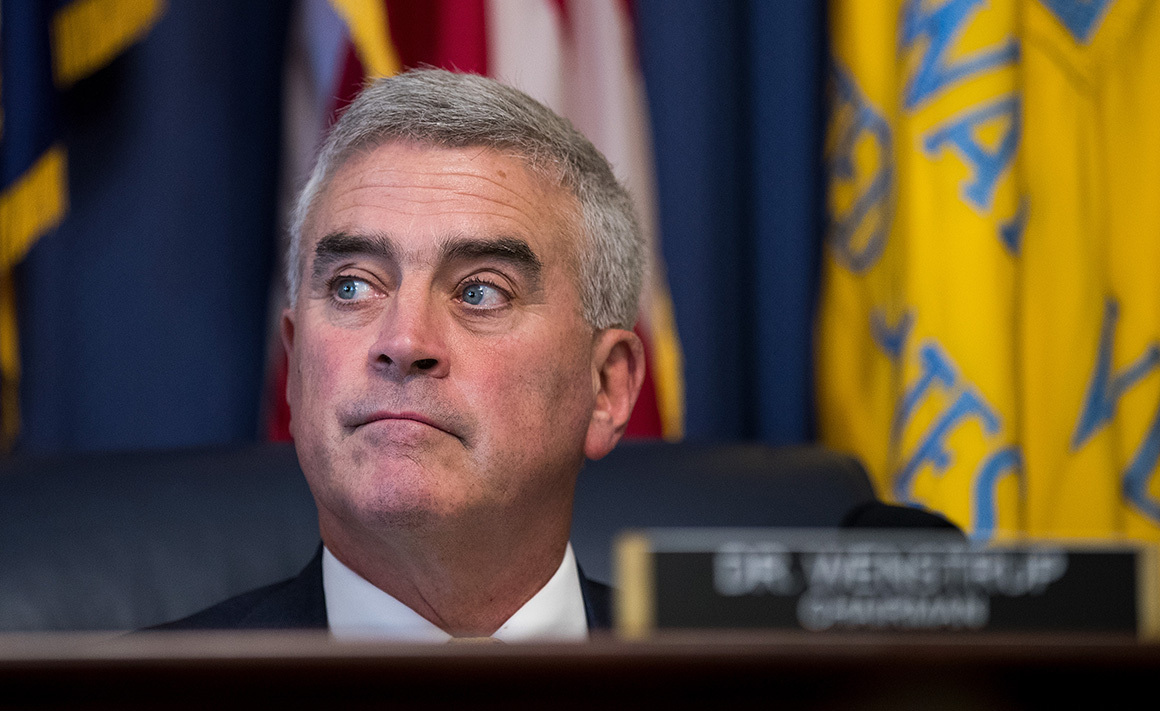
Unions were never given power in this country. They have always had to fight for it and take it. Today is no different. And one of the first fights that has to be won, one upon which most of the others rest, is to crush once and for all the pernicious belief in this country that what is good for business owners is good for workers.
No, what is good for workers is good for workers.
Controversial opinion incoming: two things can be true at once: state legislatures are woefully underfunding public higher education and need to boost support, AND, in the meantime every state institution doesn’t need a full roster of humanities departments filled with tenure track faculty when enrollment is just not justifying the cost … and other departments with lots of undergraduate and graduate students to teach have to suffer to keep them afloat.
And yet, they will turn around and blame us for “incivility” if we call them out as stupid and superstitious. For banning books and firing librarians.
I can not imagine how difficult it must be as a lawyer to represent Trump. I don’t feel sorry for them, mind you, but damn this clown will work overtime to convict himself.
I wonder if Congress can withhold SCOTUS operational funding until something is done? Sure, the justices can take expensive vacations funded by billionaires, but if that is the way it is gonna be, they can get used to hearing cases in a Publix parking lot.
Power of the purse belongs to Congress and this is all about respecting separation of powers, right?



This inevitably happens in states and in industries with low or no union participation. Reason number 1,000 why workers have to stick together. Unionize … and strike.