

4·
1 year agoThanks for the tip, that’s a good texturepack (:
Thanks for the tip, that’s a good texturepack (:
I think this basically just tests how heavy chromosomes/DNA-strands are. By that you can see how long they are. The many lines on the side are the reference-ladder.
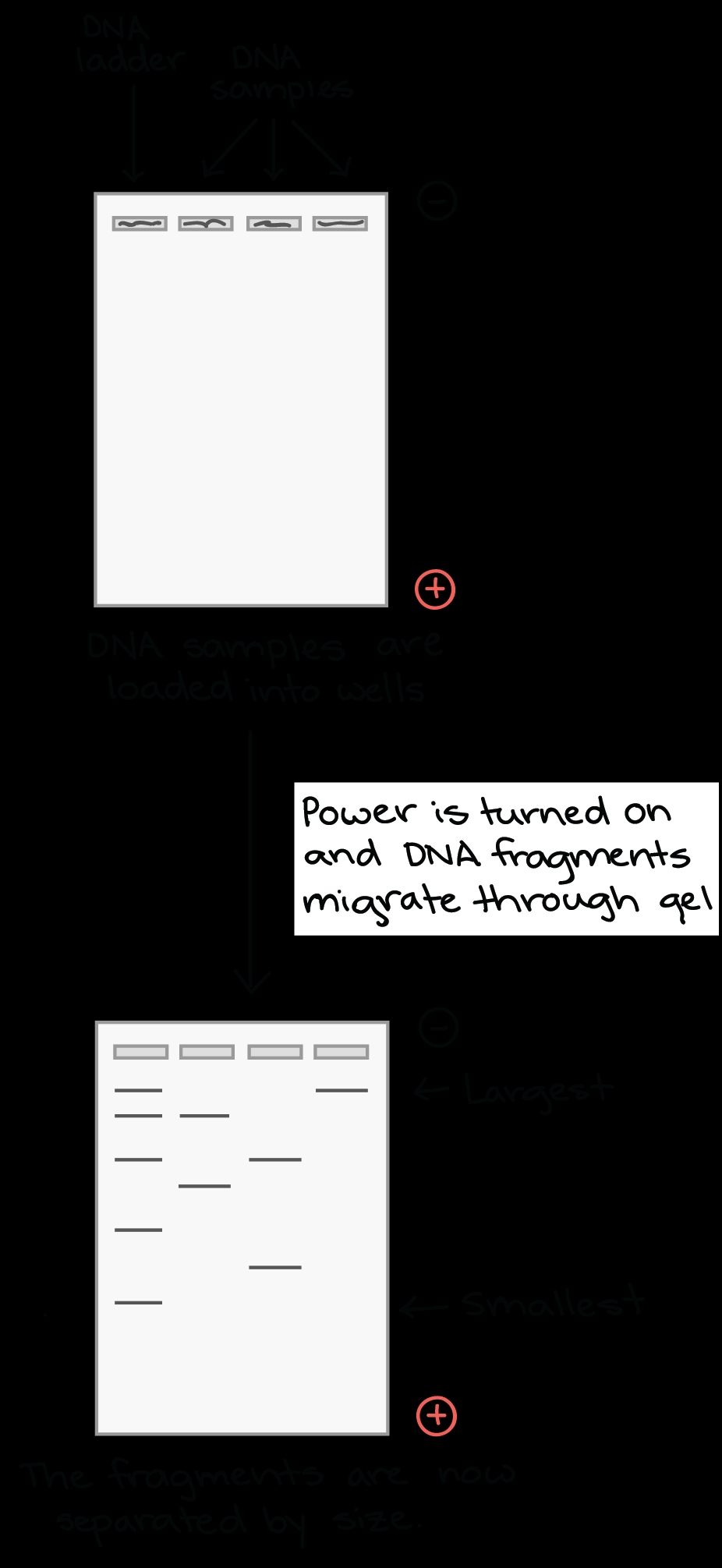
The clear lines in the second pic indicate a very clean sample of similar length DNA, while the smears in the first indicate some form of contamination.
More here

Interesting.
So it basically enables some more compiler magic. As an embedded guy I’ll stay away from it, since I like my code being translated a bit more directly, but maybe I’ll look into the generated code and see if I can apply some of the ideas for optimizations in the future.
I never looked into this, so I have some questions.
Isn’t the overhead of a new function every time going to slow it down? Like I know that LLVM has special instructions for Haskell-functions to reduce overhead, but there is still more overhead than with a branch, right? And if you don’t use Haskell, the overhead is pretty extensive, pushing all registers on the stack, calling new function, push buffer-overflow protection and eventual return and pop everything again. Plus all the other stuff (kinda language dependent).
I don’t understand what advantage is here, except for stuff where recursive makes sense due to being more dynamic.


Since I don’t think fungi have a social structure, those are sexes.
Humans have two Sexes but also gender expression, conflating those is how transphobes come to their views.