

You must log in or # to comment.
I like the word ‘umami’, but it’s weird to me that they don’t just use ‘savory’ which is the same thing. Cool that it’s been figured out receptor-wise.
Umami is the fifth flavor. This paper is about the sixth, which doesn’t seem to have a name other than “ammonium chloride”.
“Solid Ammonium Chloride is used to make dry batteries”
I’ll definitely have to try some “sweet and battery” poached eggs.
I can’t believe it’s not battery!
Weird that this flavour that’s been recognised in eastern cuisine for 100s if not 1000s of years uses a borrowed word in English when it’s only been acknowledged in western cuisine for a few decades.
FYI ‘savoury’ is a borrowed word from French.
It’s been acknowledged in western cuisine forever too lol. You think western chefs just could’ve put a finger on meat char tasting good across all of human history??
No it’s just that it was discovered to be a fundamental receptor on the tongue which responds to amino acids. It was discovered by a Japanese researcher. The weird eastern exceptionalism is just silly if you take five seconds to look into why it’s named umami.
Umami’s so fat…
Savory is kinda salty. Umami is kinda buttery
Umami is just a Japanese neologism for savoury. In my food science course at uni the two terms are used interchangeably.
okay who let the weeb name the taste
The Japanese scientist who discovered it
Weebs will take any chance they can get to name something with a japanese or other asian language’s word, true (isekai/portal fantasy, anyone?), but in this particular case “umami” became popularized because it was a japanese scientist that confirmed it was an actual basic flavor. Origin of research and not weeb culture is what put umami on the english map.
The only mention of what the flavour was, was this:
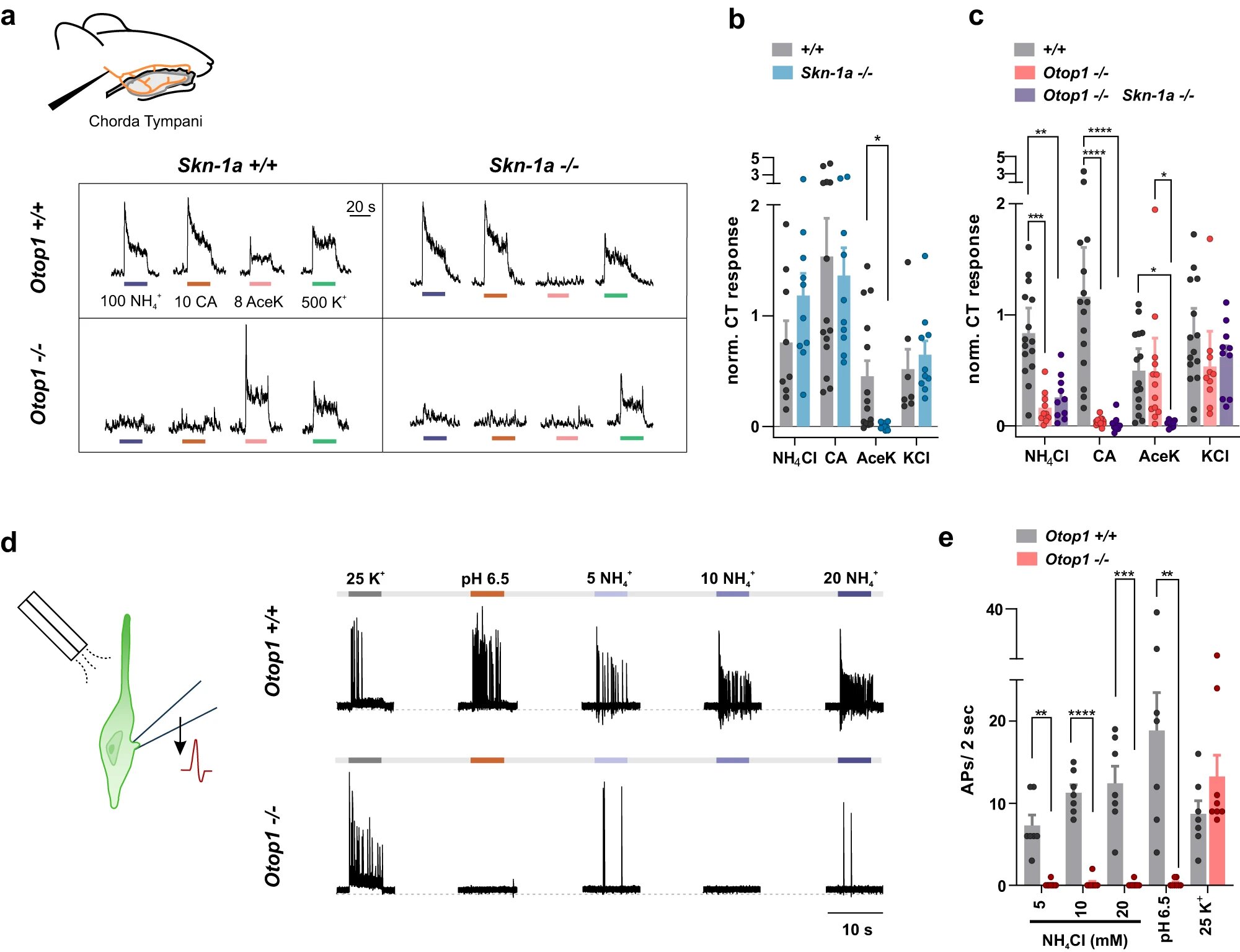
In research published in Nature Communications, USC Dornsife neuroscientist Emily Liman and her team found that the tongue responds to ammonium chloride through the same protein receptor that signals sour taste.
“If you live in a Scandinavian country, you will be familiar with and may like this taste,” says Liman, professor of biological sciences. In some northern European countries, salt licorice has been a popular candy at least since the early 20th century. The treat counts among its ingredients salmiak salt, or ammonium chloride.
So is this ‘mediciney’ flavour, then? (black licorish, ouzo, root beer, those weird candies they sell at ikea…)
For science!

I actually like licorice ;)
It’s the salt on the licorice.
What am I missing here? Because it sounds like they’re saying they’ve discovered a new thing that registers to us as sour, not actually a new flavor?
Annoyingly, the article never said what it tasted like.
Like liquorice, the really intense one (salmiak). i don’t think English has a word for it, since it was not recognized as a flavor before.
The thing is, I know the flavor but wouldn’t know how to describe it to someone who doesn’t. Asian (Korean and Chinese, to be precise) friends told me it tasted like medicine to them, because apparently it’s a common flavor in traditional medicine for them?
Edited for typos.
Nope, the anise/liquorice flavour mostly comes from anisole being detected by scent receptors in the nose/mouth, not by taste receptors. The 6th taste that the article is discussing is triggered by ammonium chloride and would probably best be described as an ammonium taste - kinda like how savoury taste mostly comes from the activation of nucleotide and glutamate taste receptors.
No, the paper says it shares a receptor with sour, not that it tastes like sour.
Just as “orange” and “purple” have receptors in common but are not perceived as the same.